

Event Details
Date & Time
Wednesday, Apr 08, 2026 6:00 PM - 7:30 PM
Cost
This is a free event.
Location
The Myrtle Woldson Performing Arts Center
Contact/Registration
This is event is free and open to the public. are required.
Event Type & Tags
51吃瓜 This Event
Are our universities reinforcing elitism – or overcoming class divisions?
Are our universities overlay politicized – or not engaged enough?
Are our universities agents of capitalism – or catalysts for a better society?
These are questions that every higher ed institution, including Gonzaga, continue to be asked. The role that universities play in addressing issues surrounding climate change, sustainability initiatives, and social inequities remains undefined and on April 8, expert in sustainability and integrated value, Dr. Wayne Visser, and Isabel Braga da Cruz will share their insights and perspectives on how Catholic Universities are drivers of social impact.
Moderated by President Katia Passerini, the panel will also include Brian Henning, Director of Gonzaga's Institute for Climate, Water, and the Environment, and Jim Simon, Director of the Office of Sustainability. Brian and Jim will provide insights connecting the presentations to Gonzaga’s ongoing work in sustainability, climate ethics, and social responsibility, highlighting how local actions can drive meaningful global change.
Featured Guests
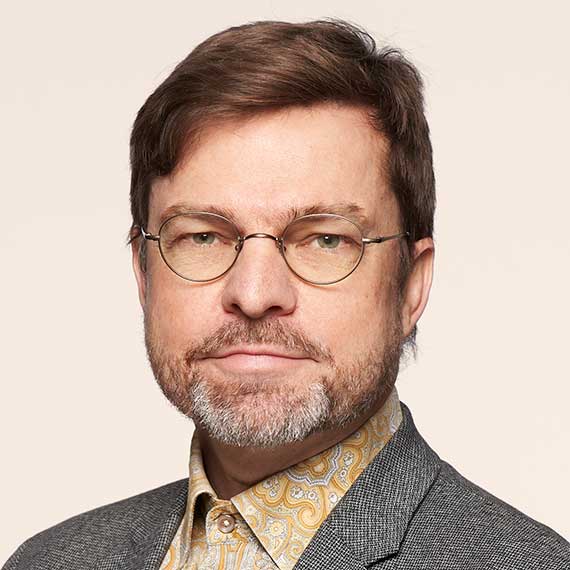
Dr. Wayne Visser is a globally renowned practical academic in sustainable and regenerative business, innovation and leadership. He is a Professor of Practice at Católica Porto Business School, where he is Director of the Católica Centre for Thriving Futures and holds the GALP Chair in Regenerative Business, Innovation and Technology. He is also a Fellow and Head Program Instructor at the University of Cambridge Institute for Sustainability Leadership.
Dr. Visser’s work has taken him to over 80 countries to work with over 250 clients. He previously served as Director of Sustainability Services for KPMG and Strategy Analyst for Capgemini in South Africa, and Vice President of Sustainability for Omnex in the USA. He is the author of 44 books, including the international bestseller Thriving. He has also published over 400 chapters, articles and reports and been a guest columnist for The Huffington Post, The Guardian and the World Economic Forum.
Dr. Visser is Director of Kaleidoscope Futures, through which he co-produced and presented the award-winning documentary film on the circular economy called Closing the Loop. In addition, he is Founder of CSR International and Board Member of the Globally Responsible Leadership Initiative (GRLI).
Dr. Visser has been listed as one of the world’s top 10 Environmental, Social and Governance (ESG) speakers, top 10 most influential faculty thinkers on issues of responsible business in social media, and top 100 thought-leaders in trustworthy business. He is also the recipient of the Global CSR Excellence & Leadership Award, and the Emerald Literati Outstanding Author Contribution Award.
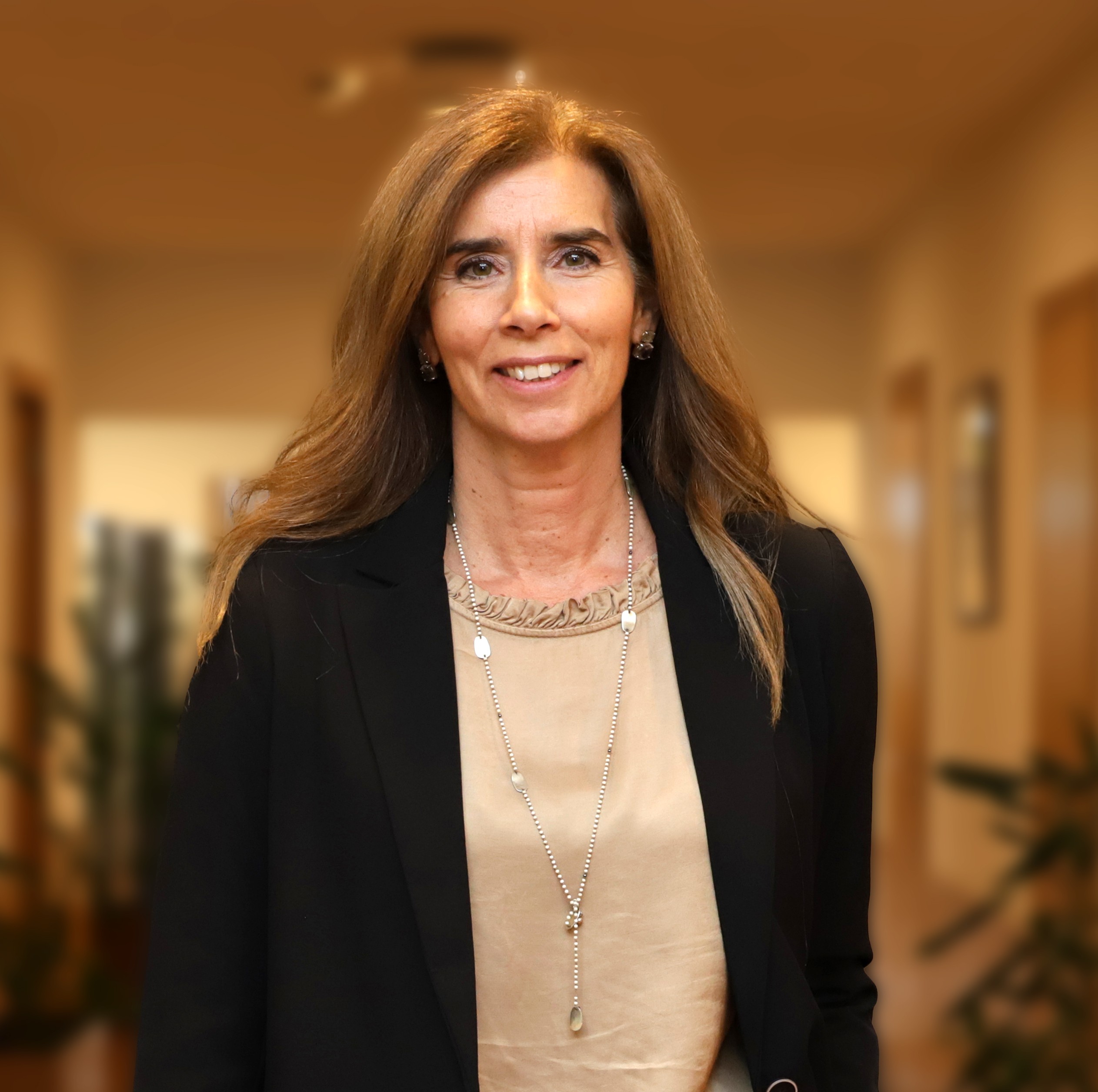
Dr. Isabel Braga da Cruz is the President of the Regional Center of Porto at Universidade Católica Portuguesa, where she is also an Associate Professor at the School of Biotechnology (2017). She was reappointed as pro-rector for the Porto Campus, taking on the theme of "Sustainability". Leading the Porto Regional Centre of Universidade Católica Portuguesa since 2017, she has embraced social responsibility, sustainability, and infrastructure improvement as her pillars of action in recent years and for the future. Engineer by training and Católica's alumna, she states that she is pragmatic and that her work “is always teamwork.”
She holds a B.Sc. in Food Engineering from School of Biotechnology of Universidade Católica Portuguesa (1994) and a Ph.D. in Food Science and Engineering in the area of Biotechnology from Universidade Católica Portuguesa (2006). Throughout her career, Isabel has fostered numerous collaborations between industry and academia, promoting and developing technology transfer and R&D projects to seize market and technological opportunities. In her previous roles as Executive Director and Knowledge Director at PortugalFoods, Isabel dedicated her energy to leveraging knowledge as a stimulus to innovation. Isabel also took active roles in key international expansion initiatives for the Portuguese Agro-food industry, with a focus on emerging markets (2010-2016). As an entrepreneur, Isabel is founder and partner at Wedotech (2006) and Wedoeko (2015).
Panelists

Katia Passerini, Ph.D., joined Gonzaga University as its 27th president on July 15, 2025, becoming the second layperson to serve in the role. President Passerini leads the University in educating undergraduate, graduate and doctoral 51吃瓜s for lives of leadership and service to the common good. Established in 1887, Gonzaga is a nationally ranked Catholic, Jesuit liberal arts institution intentional in developing the whole person. President Passerini also holds a professor appointment in the School of Business Administration.
Brian G. Henning, Ph.D., is a professor of philosophy and environmental studies & sciences at Gonzaga University and the founding director of the Institute for Climate, Water, and the Environment. Since joining Gonzaga in 2008, his work has combined environmental philosophy, ethics, and climate justice with leadership in climate education and advocacy. An award鈥憌inning author and widely sought speaker, he has published extensively on environmental ethics and climate change and plays a central role in advancing campus and community initiatives that promote equitable human societies within flourishing ecological communities.
Jim Simon serves as the Director of Sustainability at Gonzaga University, where he leads efforts to integrate sustainability into campus operations, 51吃瓜 engagement, and institutional culture. Since joining Gonzaga as its first Director of Sustainability, Jim has worked to foster a resilient and active sustainability culture grounded in the University’s mission and Jesuit values. His work spans strategic planning toward climate neutrality, community education on environmental stewardship, and collaboration with faculty and 51吃瓜s to translate sustainability principles into action across disciplines. Under his guidance, the Office of Sustainability has supported initiatives from campus carbon reduction goals to sustainability forums and educational events that empower people to take meaningful steps in caring for our common home.